About the Laboratory
Linguistic Convergence Laboratory opened in 2017. It focuses on processes of convergence in the history of languages, i.e. the processes by which common features spread among languages due to contact between their speakers. The laboratory aims at modelling processes of convergence and developing tools to study these phenomena using data from electronic corpora of spoken language.
new Resources by Linguistic Convergence Laboratory


'We Would Like Our Corpora to Be Used More Widely'
The Linguistic Convergence Laboratory and the School of Linguistics at HSE University have created corpora of the Abkhaz-Adyghe languages spoken in the Western Caucasus. The corpora serve as valuable resources for studying these languages with their unique features and demonstrate the potential for their modern use. The corpora were developed through a series of field expeditions to the Caucasus conducted by HSE University researchers and students, combined with modern linguistic processing methods and collaboration with colleagues from regional universities. In this interview with the HSE News Service, Yury Lander, Leading Research Fellow at the Linguistic Convergence Laboratory and Associate Professor at the School of Linguistics, discusses the work of linguists.

‘Our Task Is to Promote and Popularise Native Languages’
The Centre for the Study of Native Languages at Dagestan State University (DSU) is actively engaged in researching the many languages spoken by the peoples of Dagestan. The republic has 14 official state languages, many of which have their own dialects and varieties. Scholars from Dagestan plan to adopt corpus-based methods of linguistic research used at HSE University and intend to collaborate with HSE’s Linguistic Convergence Laboratory. The HSE News Service spoke with the centre’s Director, Prof. Marina Gasanova, who is currently undertaking a research placement at HSE University.

HSE Doctoral Student Awarded for Best PhD Presentation at 58th Societas Linguistica Europaea Conference
From August 26–29, 2025, the largest annual linguistics conference, Societas Linguistica Europaea, took place in Bordeaux, France. Doctoral students and researchers from HSE University took part in the event. The paper ‘Lability Drift in Modern Aramaic languages’ by Elena Shvedova was highly praised by the expert community and took first place among PhD student presentations. In an interview with the HSE News Service, Elena Shvedova spoke about her research and the conference itself.

Ob-Ugric Field Trip and New Bilingual Corpora
n November 2023, as part of the postdoctoral program and the DIAL2 laboratory project, Natalia Koshelyuk traveled to the Ob-Ugrian region to collect new field data. The city of Khanty-Mansiysk was chosen as the primary location, and the focus of the study was the Russian speech of the Mansi and Khanty people.
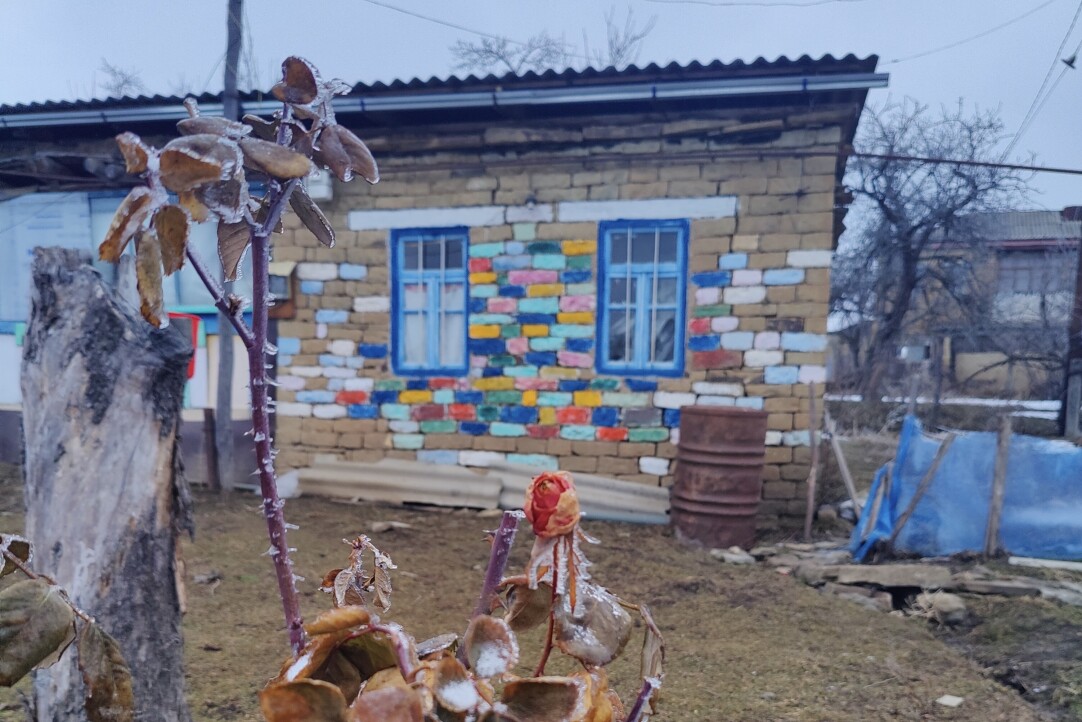
The Tsnal Lezgi spoken corpus has been published
A new electronic resource has been created at the Linguistic Convergence Laboratory — the spoken corpus of the Tsnal variety of Lezgi.
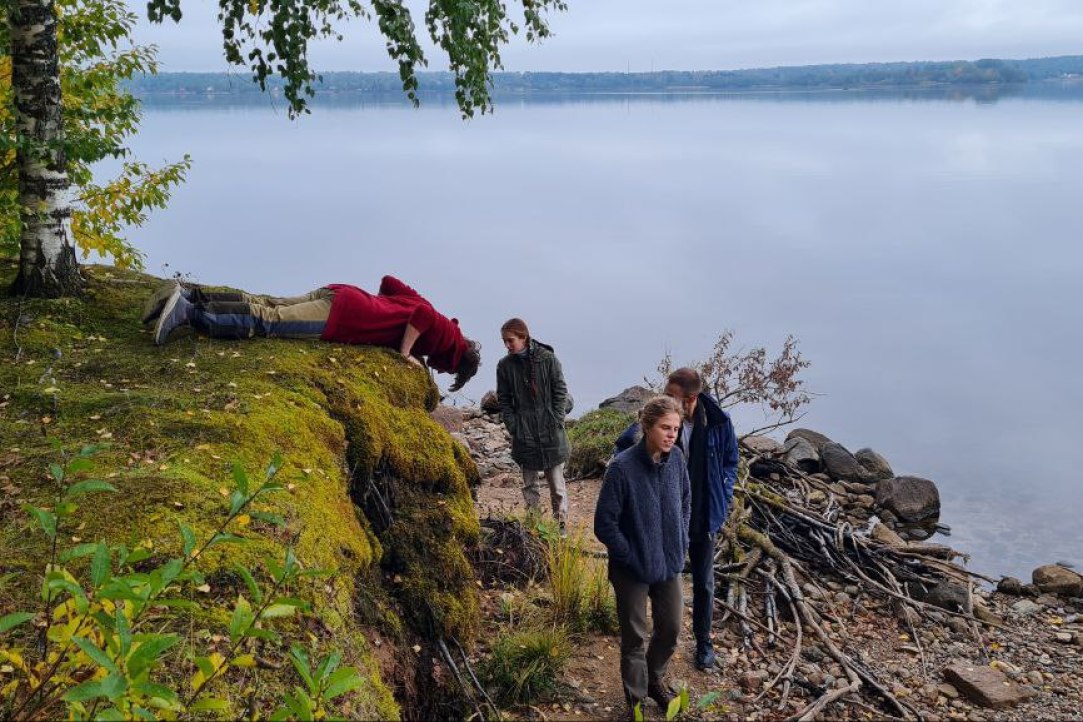
News from the fields on Lake Velyo: the fourth trip of the Society of Field Linguists took place
On October 1-2, the fourth retreat seminar of the Society of Field Linguists took place, organized jointly by the staff of the Linguistic Convergence Laboratory and the Institute for Linguistic Studies (RSA).
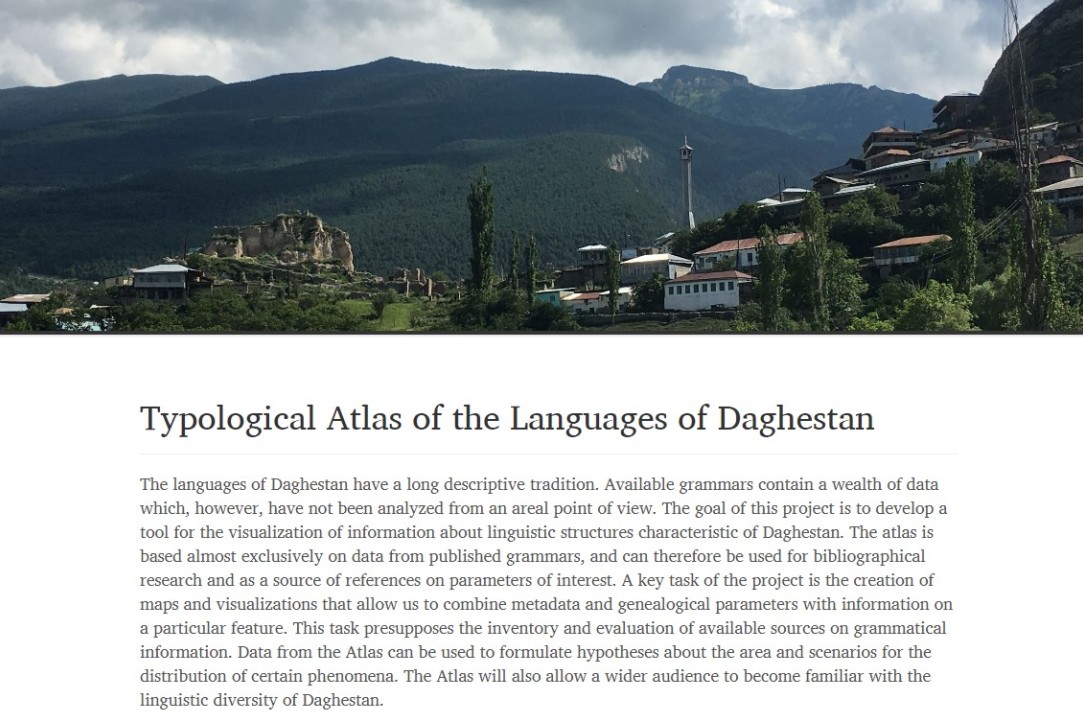
TALD (Typological Atlas of the Languages of Daghestan) v. 1.0.0 Now Public
The Linguistic Convergence Laboratory has released TALD: the Typological Atlas of the Languages of Daghestan. This new resource provides information about linguistic structures that are characteristic of Daghestan, and offers different types of map visualizations to illustrate the geographical and genealogical distribution of features.
George Moroz successfully defended his PhD thesis
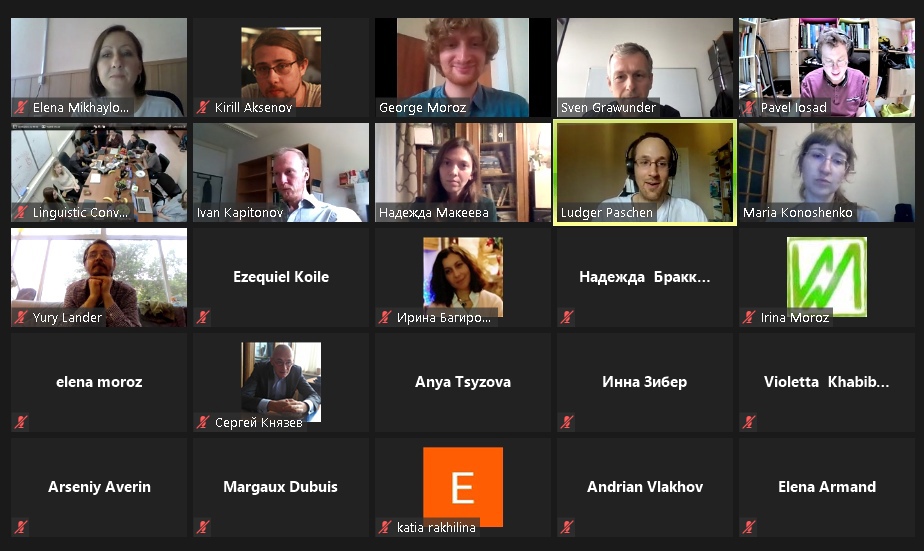
George Moroz, research fellow of the Linguistic Convergence Laboratory, defended his PhD thesis entitled «Some Questions of Circassian Segmental and Suprasegmental Phonology and Phonetics».
Members of the Linguistic convergence laboratory participated in the SLE conference online
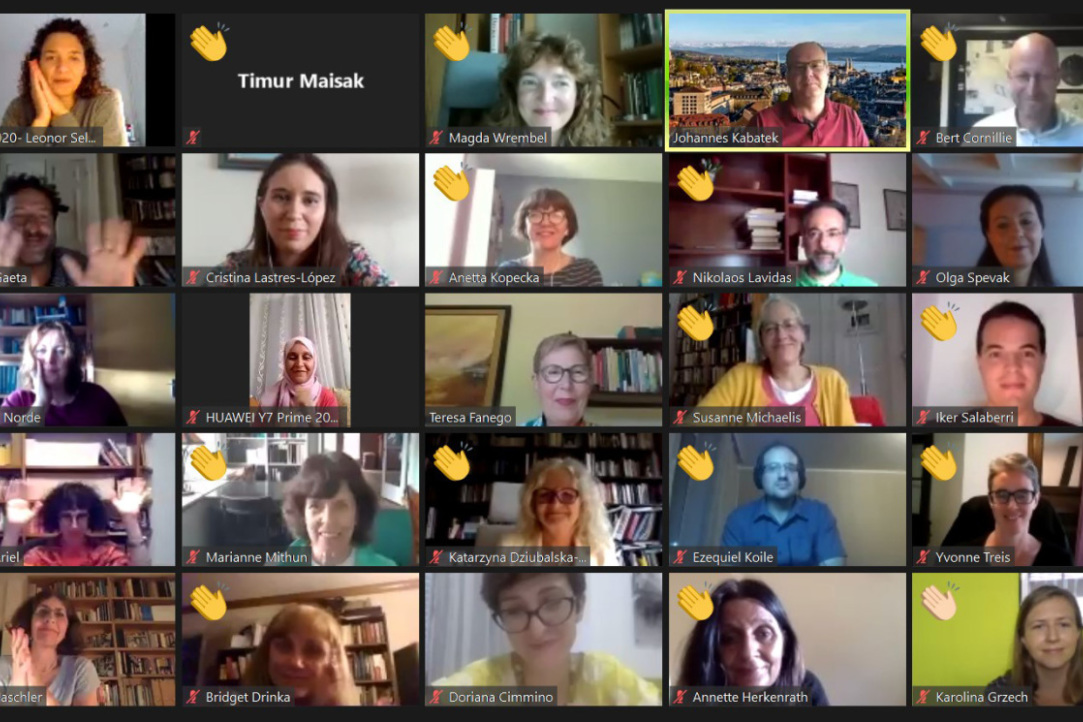
The 53rd SLE conference was held in an unconventional format for the first time in history. The Linguistic convergence laboratory was represented by a number of talks.